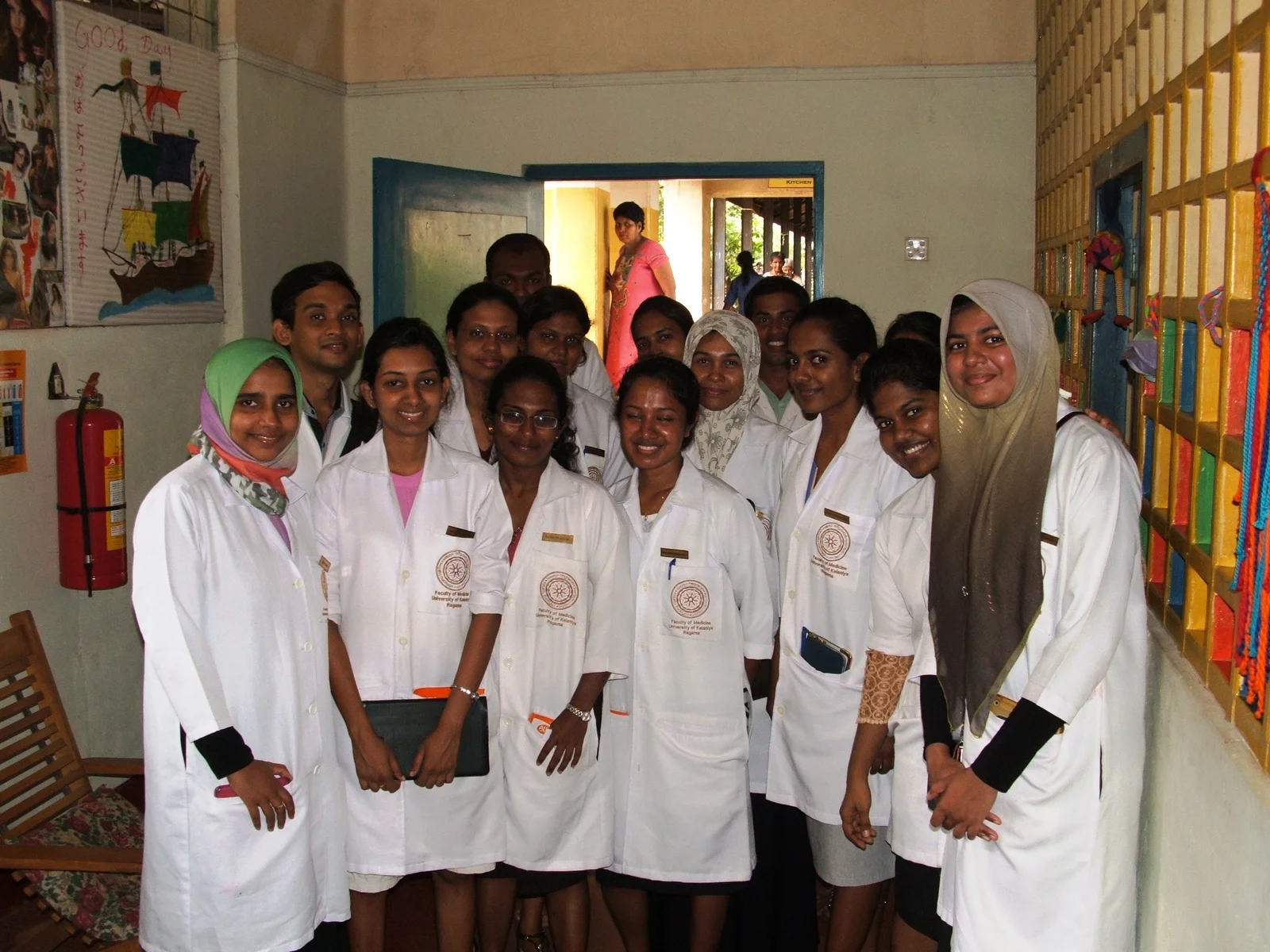
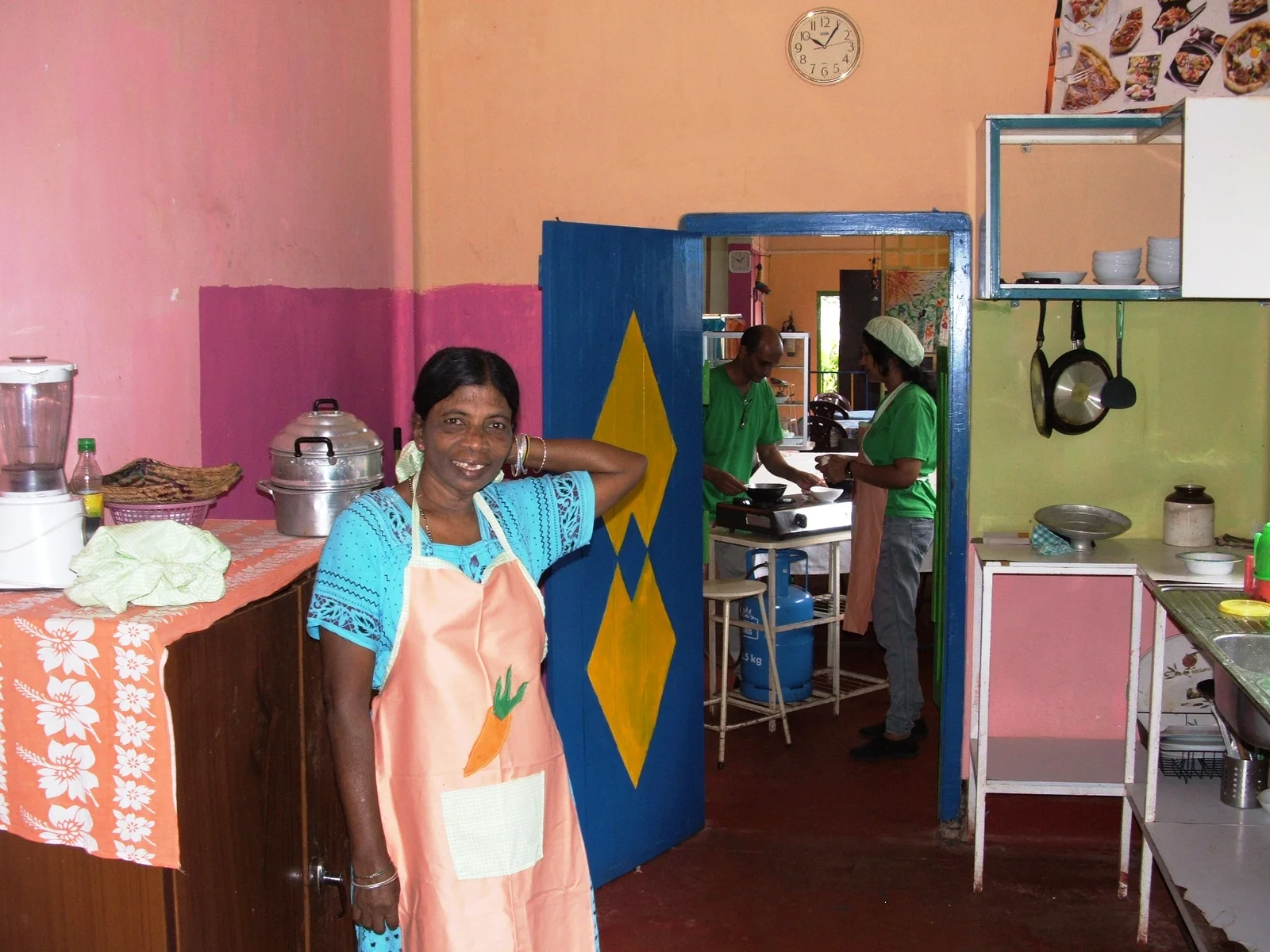
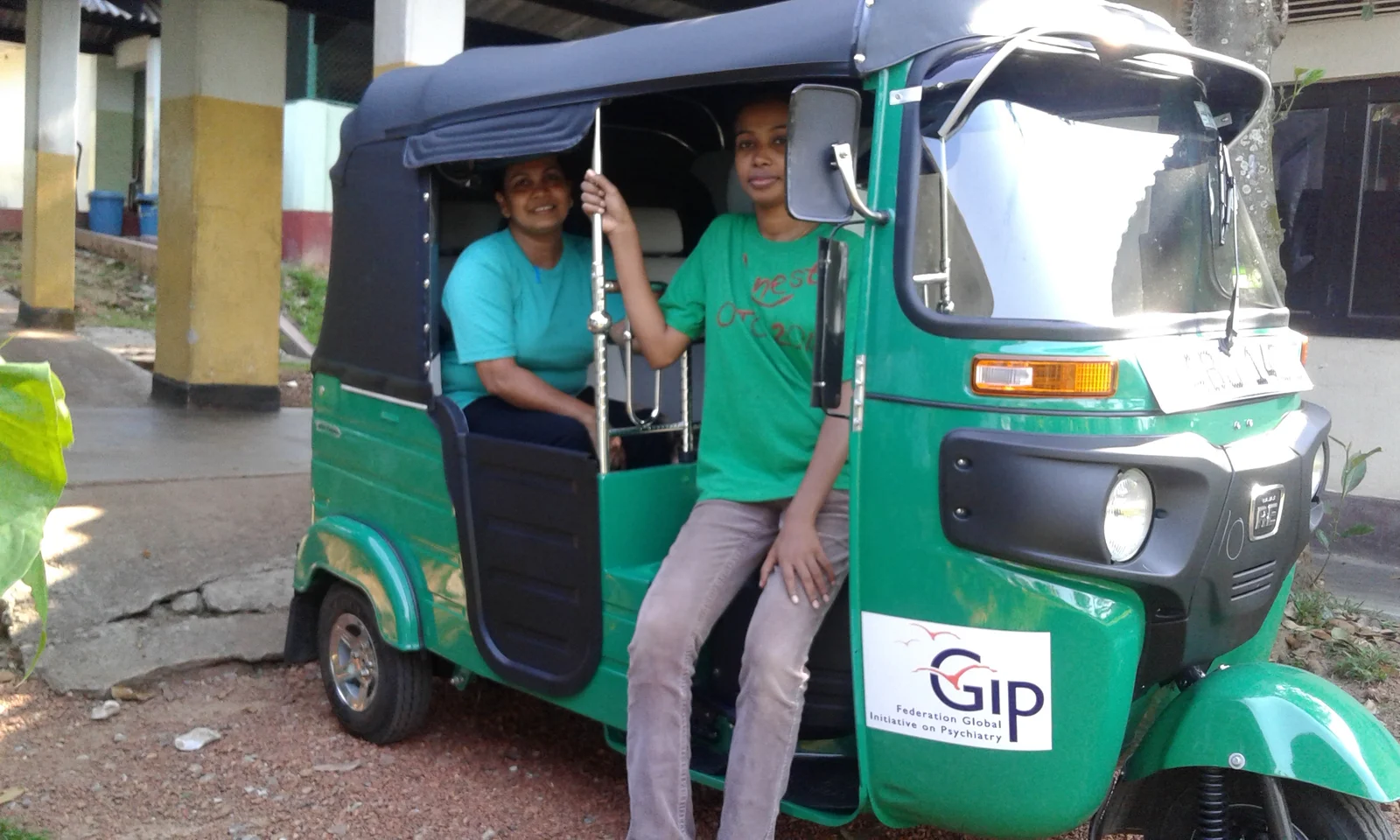
FGIP has been involved in mental health acre development in Sri Lanka for over twenty years and works in collaboration with a number of local NGOs. Since 2018 FGIP has a member organization in Sri Lanka, FGIP-Sri Lanka, that is headed by Dr. Mahesan Ganesan.
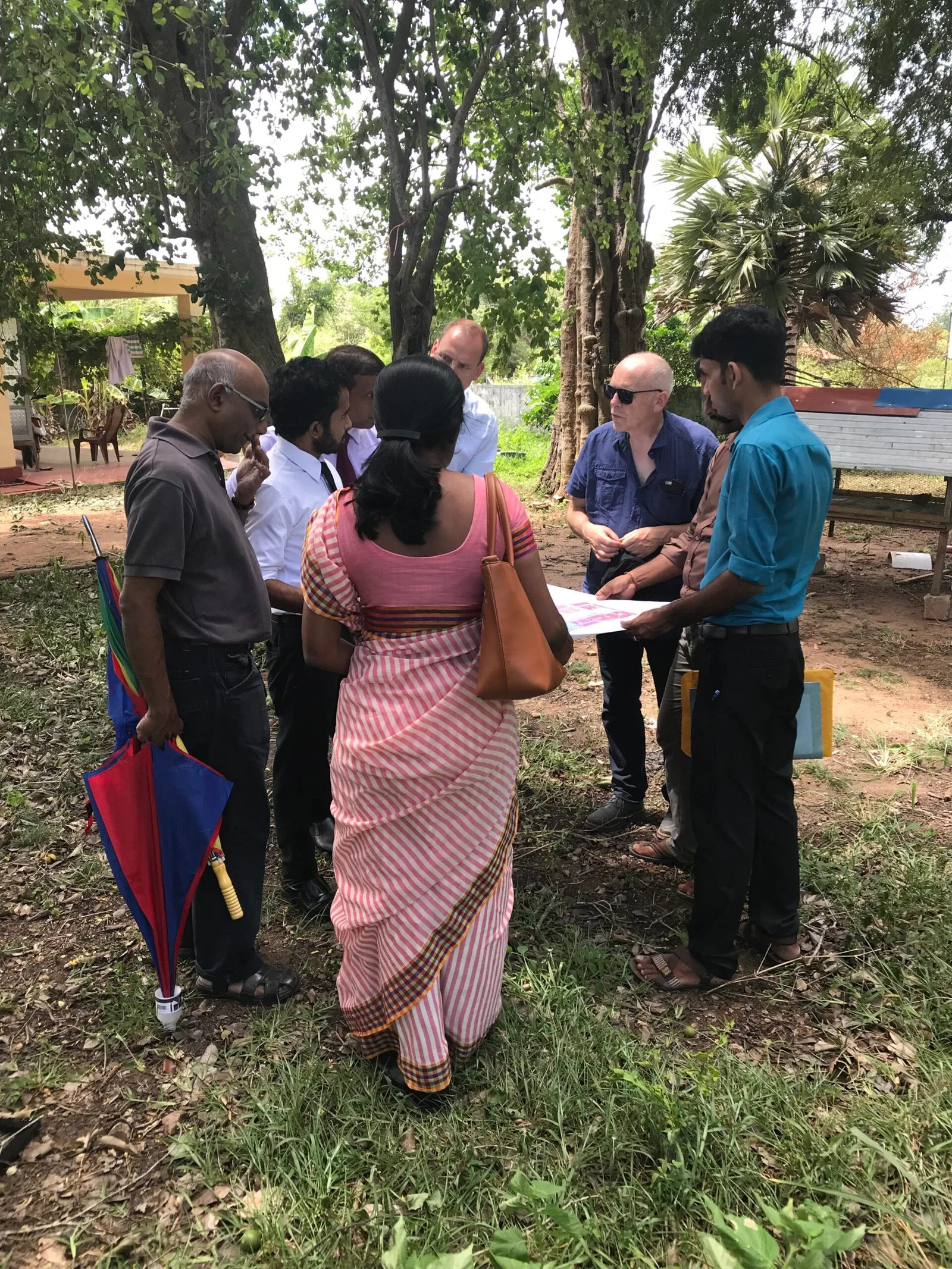
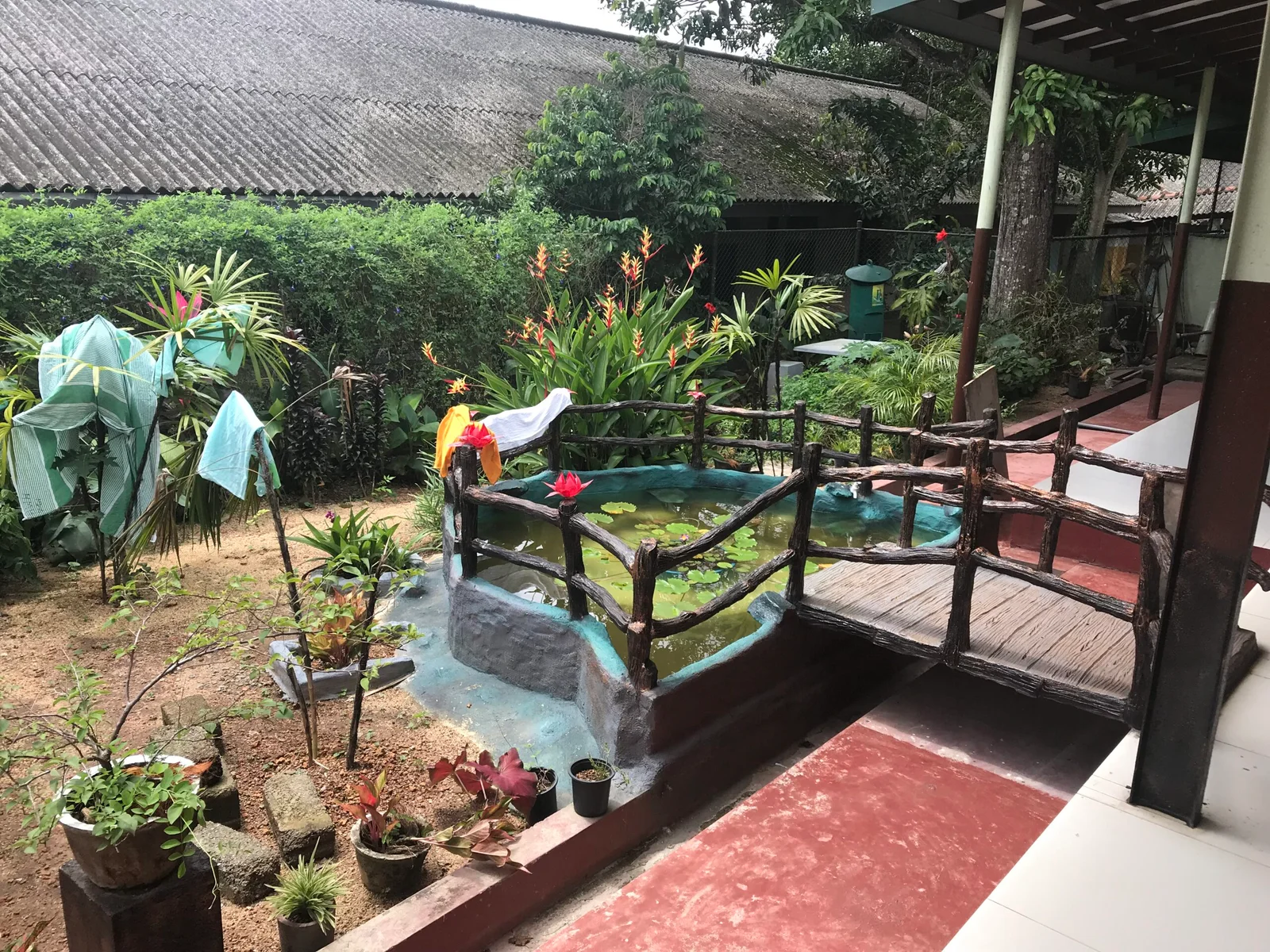
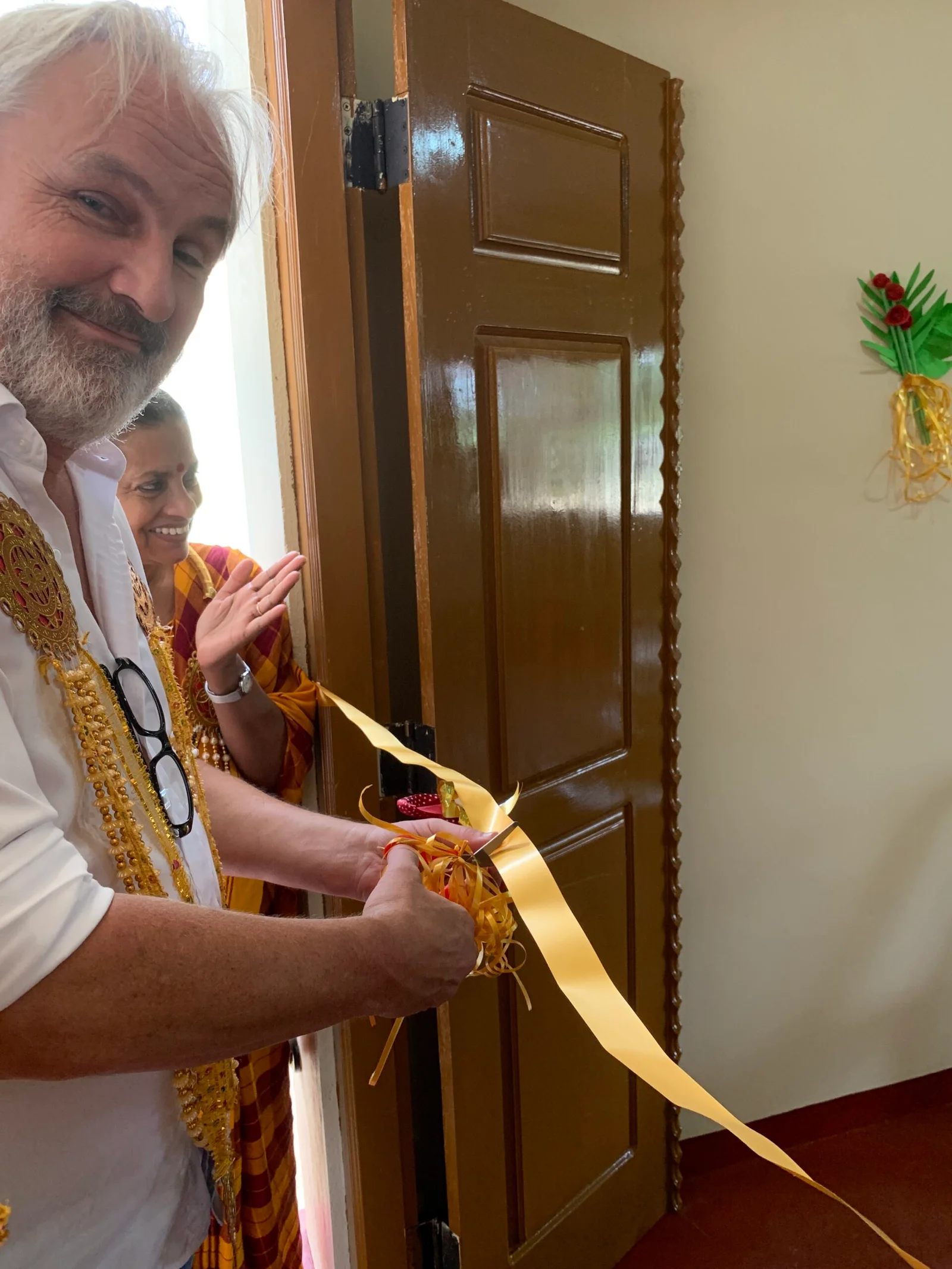
In the course of time we have been involved in upgrading forensic psychiatric services and creating a new and more humane treatment facility for forensic psychiatric patients in Angoda. For many years we contributed to a program to deinstitutionalize female patients in a facility outside Colombo and helped women return to society. We supported the program to set up Gender Based Violence Desks (GBVs), and developed services for children with learning disabilities. Over the past six years FGIP implemented a project as part of large intervention by the Government of Sri Lanka to upgrade hospital infrastructure in the Northern Province (NP) by investing in renewing and expanding capacity, both in inpatient and outpatient healthcare. Mental health technical assistance focused on improving the service delivery capacity of the available government mental health resources in the province. This was achieved through carefully designed and sensitively implemented training programs and supportive capacity building and team building interventions.
Today, FGIP sees itself at the front guard of mental health innovation, maximally using all the technical possibilities of the digital age to help underserved communities to access mental health services and building a resilient mental health.