Sixteenth International Sakharov Conference. Authoritarianism on the Rise: Fifty years after the founding of the Helsinki Movement
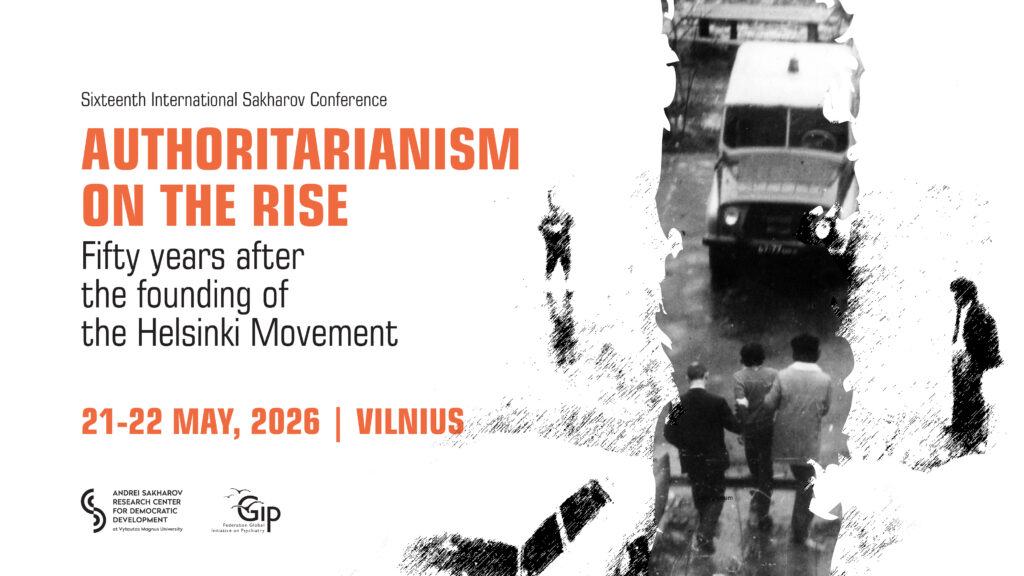
Join the Sixteenth International Sakharov Conference, marking 50 years since the founding of the Helsinki Movement. Engage with global experts in Vilnius on democracy, human rights, and resistance to authoritarianism. More information
The Eighth Leonidas Donskis Conference. Back to Square One: The Rise and Fall of the Helsinki Accords
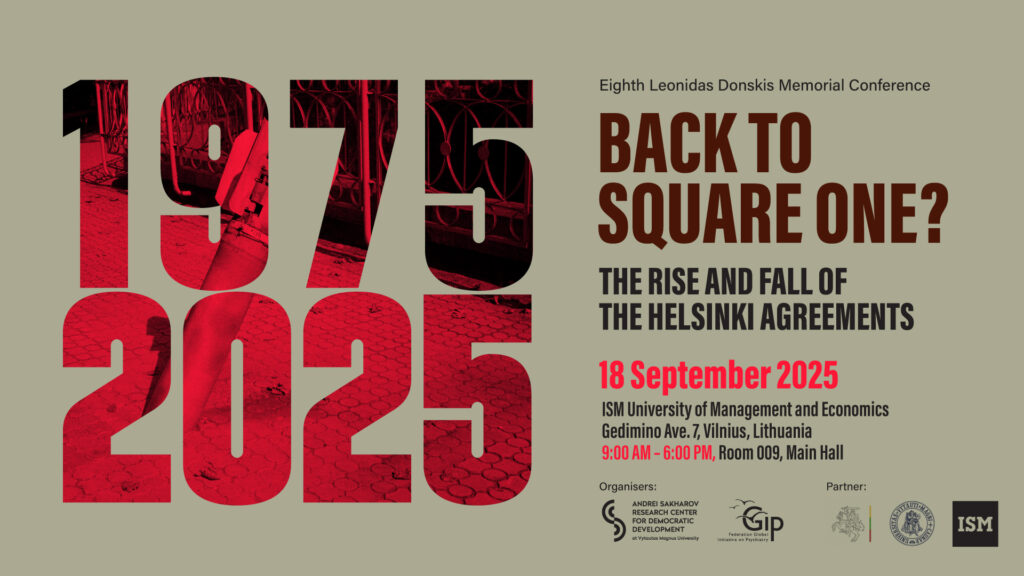
We are living through a moment of profound global realignment. In the face of war and rising authoritarianism, the institutions and frameworks meant to protect fundamental rights appear increasingly sidelined. The promises of 1989-1991 are unravelling; from Russia’s war of aggression against Ukraine and internal repression to rising militarization and systematic disinformation, there is a […]
Fifteenth International Sakharov Conference. Pulling Back from the Abyss: The Global Consequences of the War in Ukraine
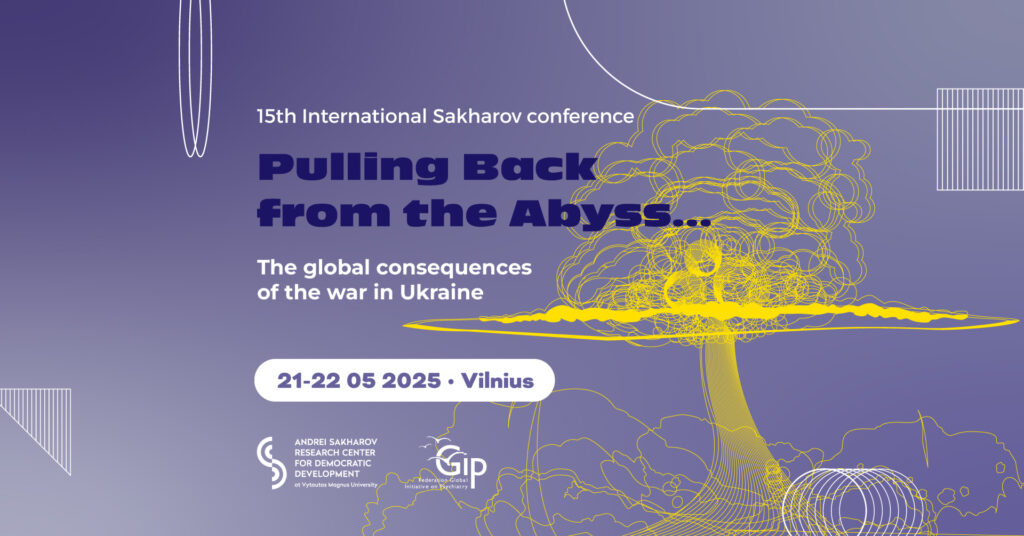
The world order built after WWII is crumbling. Russia’s war against Ukraine has reshaped global politics, challenging European security, transatlantic relations, and the role of international institutions. Authoritarian governance is on the rise, deepening the global political crisis. This year’s Sakharov Conference will explore: The impact of the war in Ukraine beyond Europe The decline […]
Second International Rethinking Mental Health Care Conference: Navigating New Challenges and Innovations in the Digital Age

The conference will convene mental health leaders, practitioners, and policymakers to address the urgent global need for accessible, effective, and innovative mental health services. Together, we will spotlight evidence-based, human rights-oriented approaches and explore transformative practices, reforms, and initiatives that are reshaping mental health care in a rapidly changing world. Key Topics: Expande mental […]
Fourteenth International Sakharov Conference: Hidden Wounds of War. Trauma, Healing and Recovery among Ukrainian Veterans
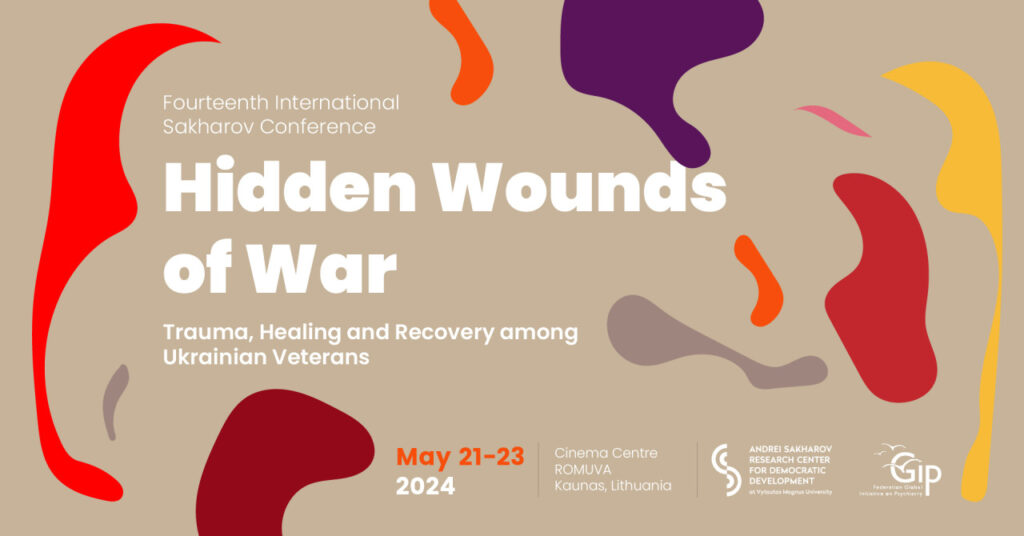
The conference “Hidden Wounds of War” will bring together specialists from Europe and North America, as well as Ukrainian professionals and volunteers and representatives of international aid organizations. We will bring a carefully selected group of 50 Ukrainians to Lithuania, most of them persons who are actively working with veterans in the country. In addition […]
Thirteenth International Sakharov Conference: How to Win a Lasting Peace ? Ukraine and the World After the Guns Fall Silent
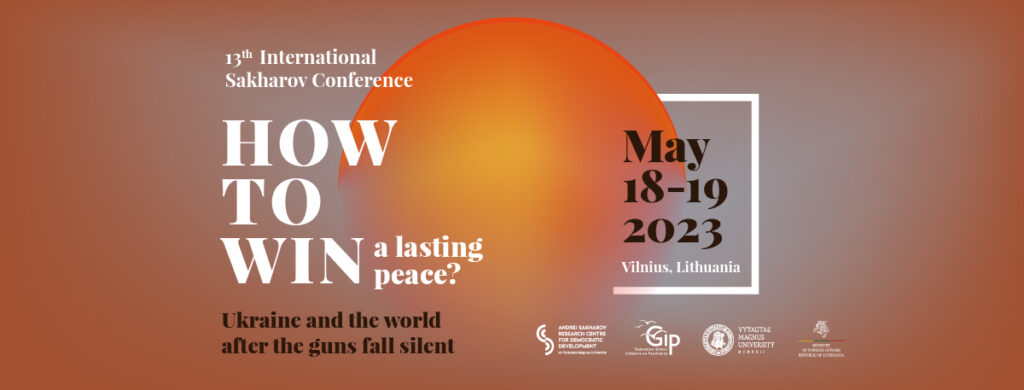
Although it had become clear that the war in Ukraine would last much longer than anticipated, far from the “Blitzkrieg” that Russian leader Vladimir Putin had envisioned, it was also certain that the conflict would eventually come to an end. The world would then have to address a situation in Europe not seen since World […]